
MAHM Conference 2025
Valuing Motherhood
Sally Greenhill reflects on our 2025 Conference, summarising the main points made by each speaker, including questions from the day. Click on a name below to take you to their section of Sally’s report.

Anne Fennell (Chair): Welcome

Anne paid tribute to Naomi Stadlen, who had recently died, and Diana Dean, both of whom have supported MAHM's causes for many years.
There was also a 2-minute silence in honour of Remembrance Day.
Why does mothering matter, and why is it so underappreciated by the outside world? Thirty years ago, when MAHM was first formed, it was the norm for new mums to stay at home with their infants, but now the pressure is on new mothers to return to paid work outside the home as soon as possible, and place their infants in daycare. In some Scandinavian countries, it is seen as child abuse NOT to send your child to external care.
But many new mums want to nurture their own baby, both to fulfil their child's developmental needs and to fulfil their desire to be with their baby. MAHM was created with three aims:
To support mothers who have no option but to return to work.
To promote an understanding of the needs of very young infants.
To campaign for a level playing field, economically, so that stay-at-home mums are not penalised in the tax system.
Anne emphasised that mothering is very important work, albeit unpaid - and therefore of no interest to the Treasury - and she outlined various ideas which are endemic in our society right now:
Children pollute the Planet, we should have fewer - or no - children.
Care is a 'burden'; children prevent us from reaching our full potential. (In government language, they are 'obstacles' to progress).
Statistically, mothers earn 45% less than fathers, so children hold us back in our careers. But when was parenting such a competition? It is called the 'motherhood penalty'.
Equality with men does not necessarily mean economic equality; it's not a level playing field.
Women tend to be more nurturing - we have a different role in the family.
Mothers are accused of being 'economically inactive', as measured by GDP, but this is a very transactional approach. What about love? 'Work is love made visible.’
We must change the narrative!
Mums aren't allowed enough time to enjoy their babies. We over-complicate parenthood; let's slow down and discover the joy in a baby's smile or a young child's discovery of the world.
Let's understand our own value so that we will be valued by others. Let's change the perspective so we can see the bigger picture, and let's gain the confidence to speak up and influence others. And we must continue pushing for economic freedom for others.
Keynote Speaker, Lucy Beney: The Power and Importance of Mothering
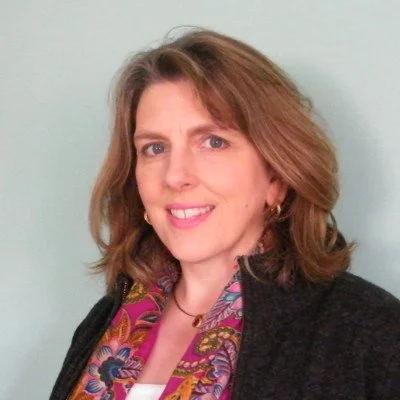
Lucy Beney, a long-standing member of MAHM, started her career as a journalist on world affairs but later trained as a counsellor and worked for five years advising teenagers with mental health problems at a large London comprehensive. She has also been a mother for 28 years. She has written a report on adolescent mental health called 'Suffer the Children', arguing that the roots of mental health begin way back at the start of life, and the mother is crucial to a child's wellbeing from the start.
Mothers have the power to change society. Lucy referenced the number of times the word 'mother' enters into our language, e.g. 'mother tongue', 'motherland, 'mother of invention', mother-of-all-storms', 'mothership', to 'keep mum', etc. Even Shakespeare refers to mothers as an 'ever-fixéd mark' and the nerve centre of the home.
So how has mothering become so devalued? Why have so many young women rejected motherhood, viewing it as a 'burden' or 'penalty' on their careers? The family, as the bedrock of society, has been abolished. Traditional values have been inverted; has the pendulum swung too far in favour of individualism? Have we jettisoned the selfless ideas of the war generation for the lure of freedom? Now, 40% of GP appointments have a mental health element. Many young people leave school without qualifications or job possibilities - NEETs (Not in Education, Employment or Training) because of mental health problems.
“ A strong sense of self requires a strong family home life.”
Lucy had been invited to an NHS England webinar on mental health issues for under-fives, in an attempt to help parents to interact better with their children. Girls are being told that they are 'equal' to boys - but only if they are judged by male standards. This makes children vulnerable to every passing trend or -ology on social media, such as 'Influencers'. A strong sense of self requires a strong family home life. Lucy also mentioned a conference organised by the Harvard Centre on the Developing Child on 'Mattering in Early Childhood', designed to boost a child's sense of identity, although there was no mention of the mother-child bond. Lucy also referred to Erica Komisar's book 'Being There', in which the mother's presence is paramount and caregivers are not interchangeable. From the get-go, a baby recognises his mother's voice above all others. Young children don't understand the notion of 'quality time'; they want mum there all the time when they need her. We are relational creatures, and even teenagers need their parents as much as toddlers, but in a different way. In extreme cases, children can spend so much time apart from their parents that they don't really know each other, leading to loneliness, long-term isolation and subsequent mental health problems. All children need parental time and presence.
Mothering is more than a job - raising another human being, encouraging and shaping his or her unique personality to adulthood, cannot be outsourced. Pregnant women are expected to stay at work for as long as possible instead of being nurtured, just as they are expected to 'return to normal' as soon as possible after having given birth. Motherhood is devalued as babies are handed over to the 'professionals'.
“We learn how to love others by being loved ourselves, thus becoming successful parents ourselves in later life, passing on the baton.”
One-third of school children are now diagnosed as not being securely attached to anybody, leading to behavioural issues. Lucy believes the government should recognise the value of supporting mothers in the home, helping their children develop self-confidence, emotional self-regulation, and an understanding of right and wrong. The early years are the foundation for a child's character and adult life. We learn how to love others by being loved ourselves, thus becoming successful parents ourselves in later life, passing on the baton.
In the Q&A session after Lucy's talk, she added that there is no 'quick-fix' to successful mothering, that life will not be the same after giving birth and that flexibility and tolerance will be required by both parents. But the rewards will be worth it: sharing a small child's view of the world and being there every step of the way.
Katherine Winney: The Mental Load
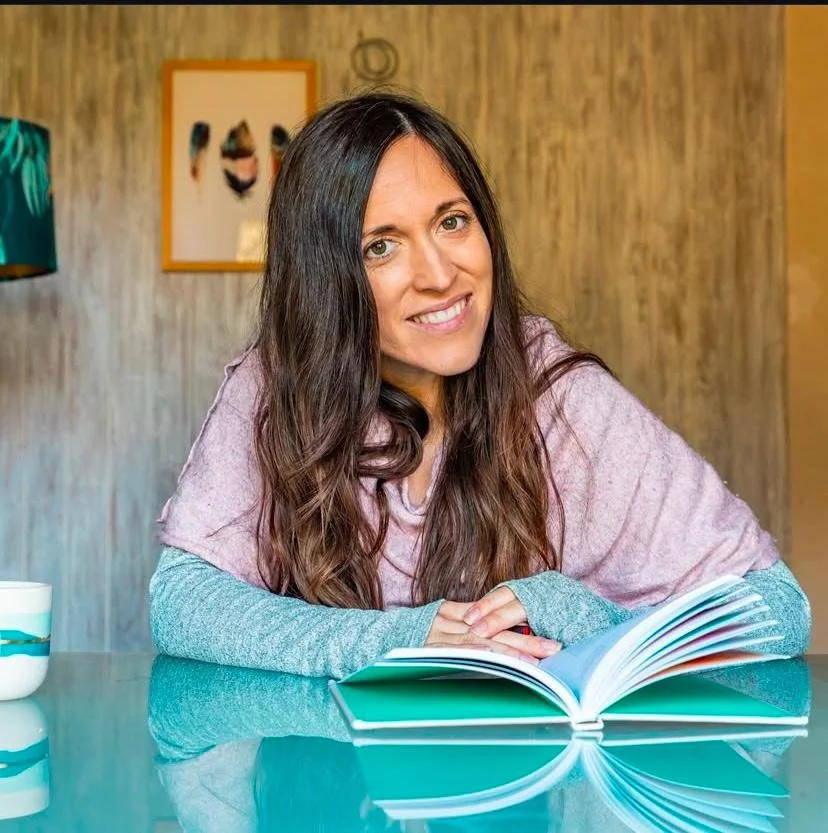
Katherine is a certified Motherhood Studies Practitioner. Her passion is exploring the largely invisible ‘mental load’.
As mothers at home have no economic value to the Treasury, they are 'under the radar' and their work is unrecognised. Katherine gave as an example of unpaid labour the constant adjustment of seasonal clothes for the family and making sure they all have the right clothes available when needed, plus the thousands of micro-decisions needing to be made for each child. Every time a child calls 'Mum!', a stay-at-home mother has to react and make a decision. Katherine’s preparations for coming to London to give this talk began a fortnight earlier, with arrangements for someone to pick up the children from school, etc.
Katherine gave us some statistics:
A 2025 study showed that a higher proportion of stay-at-home mothers are clinically depressed, anxious, or stressed, compared with working mothers. It helps mothers for this to be recognised.
The economic value of unpaid household service work in the UK amounted to 63.1% of GDP in a 2016 study by the Office of National Statistics. The global value of unpaid care work of women and girls equals 12.5 billion hours per day, amounting to $10.8 trillion annually. (Oxfam’s Time to Care report) Many mothers fit in a full-time job on top of this, to enable others to do their jobs, leaving very little headspace for anything else.
Women do 86% more unpaid work than men. A 2022 study by the University of Bath showed that women take on 71% of household tasks.
In the Q&A session after Katherine's talk, it was noted by one commentator that while the word 'carer' is usually associated with elder-care, and factored in as part of the national budget, childcare at home is not: why not? If there is a 'carer's allowance' for those looking after, e.g., elderly parents, why is there no 'childcare allowance' for mothers looking after pre-school children?
Dr Carole Ulanowsky: Motherhood vs Mothering
Carole is a long-standing friend and member of Mothers At Home Matter and was delighted to be asked to speak - again - this time about the difference between Motherhood and Mothering. Carole did her PhD many years ago on the changing perceptions of motherhood over the last half-century; she told us that in 1971, there were 2.51 births per woman in our population, now down to only 1.5 births per woman in 2021, a huge decline. The replacement fertility level is 2.1 live births per woman, so if this decline continues, we will be in danger of not producing enough labour to support our ageing population in the future. But with feminism and equal opportunities, young women are discovering other ways of fulfilling their dreams and ambitions in life; aside from motherhood, there is more choice.
Carole explained that Motherhood is a state of BEING - i.e. being a Mother, but Mothering is a process of DOING.
Thanks to reliable contraception since the 1960s, women have been able to choose when - or if - to have a family, but the downside is that many women are leaving maternity till the last minute, with the result that they are finding it more difficult to conceive.
In 1974, only 20% of mothers went back to work before their babies were one year old, but now, in 2024 (50 years later), 69% - over two-thirds - of new mothers go back to work before the child's second birthday, albeit some of them part-time. However, a substantial number of these mums give up work within two years: why? It would make an interesting social study to find out what is going on.
Carole told us that she had been invited to join a research survey called 'Generation New Era' at the University of London (UCL) on what is going on in our family lives. A questionnaire is being drawn up which will be sent out to 30,000 households - a massive survey -, but Carole was shocked by some of the questions. E.g., the survey assumed that attachment was only relevant after the age of 9 months and that babies had no communication for the first 6 months of life, which we all know is absurd. Babies communicate their needs very clearly! There were also no questions on the actual birth itself, whether there was trauma or not.
So why is Mothering so important? Who benefits? Firstly, the baby benefits from having an omnipresent mother who can continue the attachment process after birth uninterruptedly, thus preventing 'separation panic', which releases cortisol in the baby's endocrine system, leading to fear of abandonment. The baby can develop quietly and slowly at home without the 'pressure-cooker' demands of so-called 'quality time' parenting. The brain can develop at its own pace and brain development is more likely to flourish when the baby feels secure and content.
Mums also benefit from time out at home with their child(ren). With pension ages soon to reach the 70s, a parent can benefit from a little downtime: 50 years is a long time to spend in the workplace and some time off when our families are young helps to prevent future health problems in middle age.
Fiona MacKenzie, MBE, The Other Half
Our next speaker was Fiona Mackenzie, CEO of The Other Half, which campaigns on issues of interest to all mothers, and for which Fiona was awarded an MBE. Her main concern is the 'push for schoolification' as she believes that Westminster is trying to push children into school at an ever-younger age, before they are ready. Most European countries start their children in school around 6-7 years old, but the UK has been creeping downwards from age 5 to 4, almost without comment. The result has been that many children now start in Reception, barely 4 years old, with fewer social skills, poor toilet training, and the inability to dress themselves correctly, because they are too young.
Another stealthy decline has been seen in parent-run playgroups, where adults could meet other parents in the same boat and still be with their children, helping to run the group on a shoestring budget. This helped to combat loneliness on the part of new mums who may have been in a new area or far from family support, and was therefore a lifeline to stave off depression. Some mothers might also have learned new and transferable skills through their playgroup duties, which could later be used in paid work, but nowadays mothers are told to 'go back to work' if they lack adult company.
In 2009, a cross-party coalition explored the various outcomes of different kinds of early education, leading through the child's life up to A Level, and concluded that home care with mum was the least effective, but Fiona argues that this is because the cohort of families for the study tended to be the most disadvantaged and therefore the sample was not representative. The EPPE (Effective Provision of Pre-School Education) report showed that children from well-supported homes did extremely well at A Level, even better than those from state-run pre-schools. EPPE states that what parents do with their children matters more than who they are, thus including all types of parents, from all classes.
Germaine Greer, in her 1999 book 'The Whole Woman', predicted the current predicament where women are only valued if they are ‘economically active’. The work of the mother at home is sadly not regarded as 'work'. The government only recognises cash-flow activities as worth noting.
Panel Discussion
The morning finished with a wide-ranging Plenary Q&A session between the floor and the panel: Lucy Beney, Katherine Winney, Carole Ulanowsky and Fiona MacKenzie, chaired by Anne Fennell.
The first question continued Fiona's topic of the gradual closure of playgroups, as funds have been siphoned from mother-and-toddler groups to fund school nurseries. One mother with two children said she could no longer afford to pay playgroup fees and was even threatened with losing her children's school places if she did not transfer them to the school nursery and she was having to fight for her rights, which is obviously wrong. In the early days, entry into primary school was staggered to ease the entry into full-time school but now the children are pitched into a full day from age four, which is too much for many of them. They are exhausted and some fall asleep as soon as they get home.
Policy-makers are making the mistake of tarring all children with the same brush as the most disadvantaged children. So the policy is to replace this kind of mothering with state intervention and issue a blanket policy. It is true that some mothers do need help with mothering, but this need not apply to children from well-regulated homes, who may suffer as a result of this policy.
If children start full-time school too early, they may suffer from 'burnout' before the age of 11 and lose interest in, or momentum for, learning. The attainment gap has not narrowed just by sending children off to school earlier.
In Sweden, parents are given a long initial parental leave, which they share 50/50, but they are expected to return to work and put their children in daycare from one year old. In fact, it is almost regarded as child abuse if the child is not in daycare, but the Swedish government is waking up to the fact that all is not idyllic and they are exploring the idea of allocating money to home care. You can outsource physical care but you can't outsource the close mother/child bond. One of the key roles of parents - mostly mothers - is to help the child to regulate their own emotions, but there is an explosion of behavioural difficulties and emotional dysregulation, sometimes resulting in unnecessary 'diagnoses' for mental illnesses. We all need an emotional connection to one or two special people. Mums at home are particularly well placed to provide this.
One mother commented that her childminder wanted to stop taking her son, who has special needs, because she is paid £13 per hour for a small baby but only £5 per hour for her 3-year-old.
Carole asked if Lucy had seen a link between poverty and antisocial behaviour in her work as a counsellor within a large secondary school, but Lucy replied that her most common experience was not financial poverty but the emotional poverty of children who had all the material benefits of parents both working full time, but none of the emotional wealth. Some parents think that once their child has reached partial independence, their job is done, but this is not true. Teenagers are just as needy as toddlers, but in different ways.
The Perry Project in Quebec was mentioned, which has revolutionised education in some disadvantaged areas by providing very high-quality, small-group instruction very cheaply ($5 per day).
Mothers can be lonely and need support too. There are more family hubs around now, replacing Sure Start, which changed its ethos when mums were being pushed to go back to work. Many toddler groups existed for mothers to support each other, as well as for the children. People crave connection.
One (older) delegate said that she could choose whether to stay at home or not, but this generation has no option, as house prices are now six times the average salary and mortgages are predicated on two earners in the household. Many mums are torn, as they hate to leave their babies but have to to pay the mortgage. MAHM has worked hard to campaign against unfair taxation, but house prices are just too difficult a hurdle to climb. In 1983, house prices were only 3.1 times a single income, but now they are 5-6 times a whole-family income (i.e., two full-time earners).
What is the solution, if any? Some employers offer a 9 - 3 pm working day, to allow mothers to pick their children up from school/nursery; working from home is one option, but it is difficult to get much work done with a toddler around, and could be dangerous. There are flexitime and job shares, or a pay cut for a less demanding job.

Susanne Springer: Workshop
Susanne is a lifestyle trainer, personal coach, facilitator and counsellor who was asked to come and talk to us about 'The Power Within': a Confidence and Empowerment Workshop aimed specifically at Mothers.
After telling us a bit about her backstory - and reading a poem that she had written on the train - she asked us to pair up with the person sitting next to us and choose, on a scale of 1 - 10, how to describe our current state of confidence. Many people chose between 5 - 7, but she asked us how we could think of increasing that score.
What are the barriers to confidence? Maybe guilt that we are doing something for ourselves rather than for others? Or feeling bad that we are juggling work and home and sometimes letting balls slip? Do we suffer from the pressure - sometimes self-inflicted - to feel that we have to be perfect, and look perfect, all the time? Do we sometimes lose our way or sense of purpose? Do we feel isolated or undervalued, that nobody is paying us attention in a misogynistic world? Do we fear the judgment of others?
If so, can we find solutions? One solution is to improve our support network, whether through grandparents or close friends, if available. There are 'drains and radiators', and if possible, choose to associate with the latter: choose who to spend your time with. Susanne asked us to define 'confidence' and there were various suggestions:
Trust your own instincts
Have faith in yourself, self-belief
Set boundaries with others
Avoid self-limiting beliefs
Identify your 'superpower', i.e. resilience, perseverance and empathy
Have a growth mindset, not a fixed mindset, don't give up
Susanne's advice to all mums was: be kind to yourself, don't sweat the small stuff, and never say, “I'm just a mum”. You are not being 'selfish' when, for example, you go out to a yoga class and leave your husband to do the bedtime routine. Self-care is important. When you feel overwhelmed, seek help and do research to find a solution. It is not weak to ask for help. When it comes to raising children, don't be put off by others' comments: trust your own knowledge of your child. Remember, there are lots of different personalities in the world, so there are also differences of opinion, no 'right-or-wrong' answers, just different 'lenses'.
Updates by Anne Fennell and Becca Woollgar
Becca Woollgar, Support Lead, started by putting out a call for Volunteers! (MAHM is totally run by volunteers.)
We need:
Someone to join the Events Team, such as organising the venue and catering for events like this Conference
A Social Media expert who will help promote MAHM's profile
Becca also advertised the support groups around the country, which connect like-minded people through local ambassadors who post posters and flyers. If you feel you can volunteer for one or more of these roles, please contact her at: people@mothersathomematter.com
Anne Fennell continued by itemising the year's activities and triumphs, after advertising the AGM the following week (last November). She echoed Becca's plea for new volunteers to attend meetings, do marketing and generally spread the word or generate new ideas.
Outline of the Year
2025 started with a big and exciting conference in the House of Lords last February, where MAHM networked with organisations such as FEFAF (European Federation of Parents and Carers at Home) and the think tank CIVITAS. A Foundation for the Future' focused on care, rather than education for the very young, both in the UK and abroad. MAHM's stance was to challenge government family policy: if it doesn't meet our children's needs, then what? The US writer Erica Komisar was present, as was the American academic James Heckman, along with professors from Denmark and Finland. Anne has been invited to attend conferences in Finland and Sweden this year (2026) and to speak at the UN in March. Maria Lyons has written up the report from this conference, which will be available soon.
Anne also tackled Kemi Badenoch, leader of the opposition, on matters such as nurture and family taxation. Housing is another tricky subject which must be addressed this year. Anne also called on the government for evidence that daycare from the age of 9 months was indeed the best option for a good start in life. There are other options, including a home care allowance for mums who wish to stay at home with their little one. Anne also mentioned the Annual Margaret Horn Debate. She forged links with organisations such as LEYF (London Early Years Foundation) and the Centre for Social Justice (CSJ), and Policy Exchange.
MAHM has tried to send delegates to as many of the party political conferences as it can, but they are very expensive. In 2025, they managed three: Reform, Labour and the Lib Dems. Anne has also been contacted by Sir Christopher Ball, a lively nonagenarian who was behind the original Sure Start idea; they met in January. Anne recognises the need for a 'bigger umbrella'; we can't do it all on our own.
Finally, Anne was excited to announce the publication of our MAHMIFESTO, with its three Ps: Problems, Principles and Policy recommendations. She urged all delegates to send a copy to our MPs and to spread the word.
The conference ended with Anne thanking all the people who had worked so hard to make it a success, especially Charlene, who had taken over at short notice and worked so effectively. Anne was also thanked for all her hard work.
Are you a member yet?
Join us today and enjoy member-benefits while helping us shout louder about valuing the choice to care.